Diabetes Friendly Starbucks Drinks, Coffee
Finding diabetes friendly Starbucks drinks gets easy once you know where the sugar hides. A Grande with four pumps of regular syrup packs about 20 g of sugar — before the milk, whipped cream, or drizzle even enter the picture. Plain coffee and tea, on the other hand, carry almost none.
If you have diabetes or prediabetes, ordering coffee shouldn’t feel like a gamble. The problem isn’t coffee itself — it’s the hidden sugars: syrups measured in pumps, sweetened milk defaults, and toppings that quietly add 10 to 15 grams of carbs. Once you learn to spot these, you can keep your Starbucks routine without the glucose spikes.
In this guide, you’ll find published carb counts, simple swap ladders, word-for-word order scripts, and a quick check you can run in the Starbucks app, so your decision takes seconds at the counter. Every number comes with its source, so you always know what’s verified and what’s an estimate.
Table of Contents
Why Trust This Guide
- Method: Figures come from published nutrition data and dietitian-written guides, labeled by source type. Four published guides were compared, and disagreements are flagged. Guidance on carbs and sweeteners points to the ADA, CDC, AHA, FDA and WHO.
- Limits: No glucose-monitor testing was done for this guide. Starbucks changes recipes and limited-time drinks, so the Starbucks app is the final authority. Figures marked “published estimate” come from third-party analyses, not Starbucks itself.
- Editorial standard: Facts, opinions and recommendations are labeled. Uncertain items say so. This may change as official guidance evolves.
- Figures last reviewed: October 2026.
- When to ask a professional: Insulin dosing, pregnancy, low blood sugar episodes and drinks for children.
Quick Summary
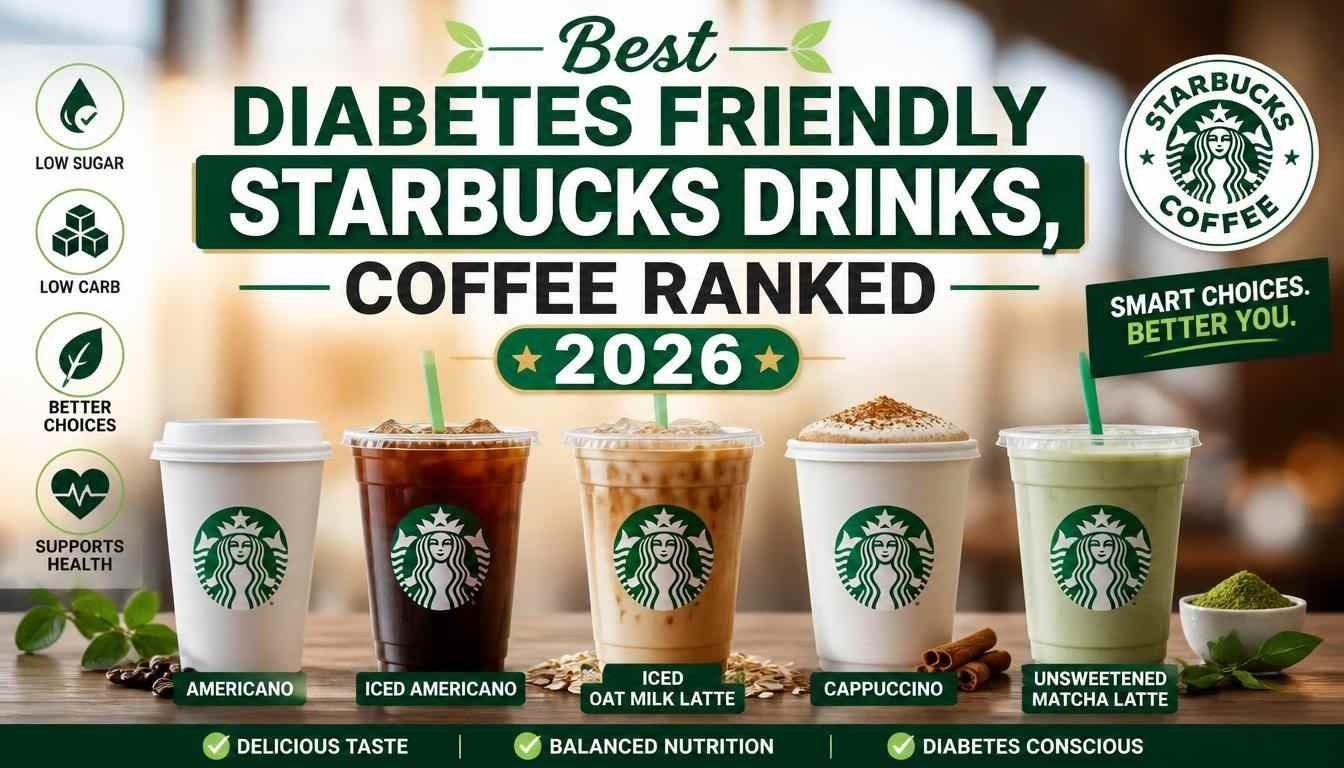
The most diabetes friendly Starbucks drinks are unsweetened: brewed coffee, Americano, cold brew, nitro cold brew and plain tea show about 0 g of carbohydrate in published figures. Milk, syrup and toppings add the carbs. Choose unsweetened almond milk, sugar-free syrup and a smaller size, and skip whipped cream and sweet cream foam. Confirm numbers in the Starbucks app.
Featured Snippet Block
The Starbucks drinks with the fewest carbs are iced Americano, cold brew, nitro cold brew, brewed coffee and unsweetened tea, all about 0 g carbohydrate in published figures. For a latte, ask for almond milk and sugar-free syrup, which one published estimate puts near 5 g for a Tall. Skip regular syrups, sauces and whipped cream.
- Brewed coffee (Pike Place or Blonde), black
- Iced or hot Americano
- Cold brew, nothing added
- Nitro cold brew, plain
- Unsweetened iced green or black tea
- Hot brewed tea
- Latte with almond milk and sugar-free syrup, Tall
What “Diabetes Friendly” Means at Starbucks
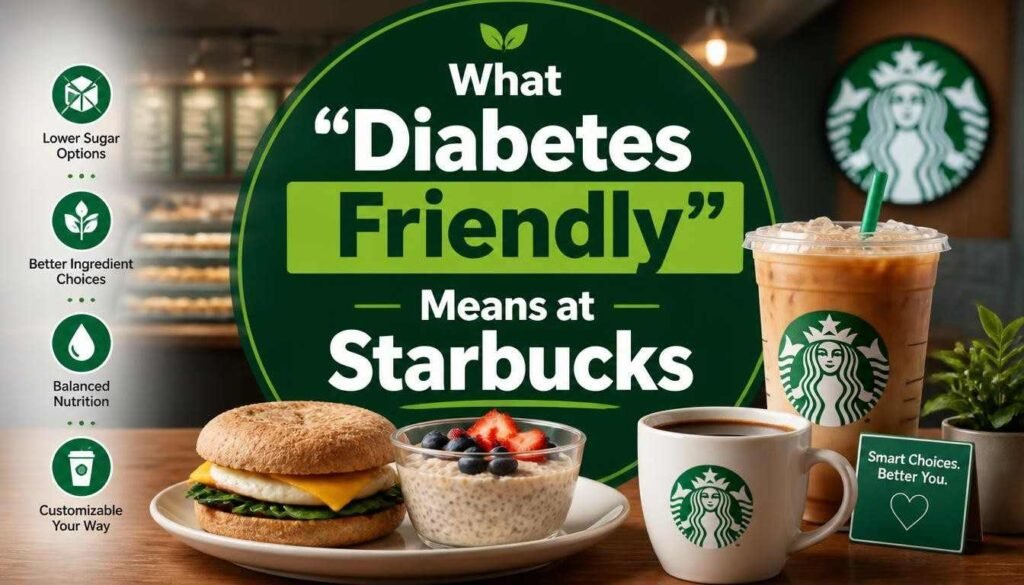
Starbucks has no official diabetic menu. A drink counts as diabetes friendly when its carbohydrate and added sugar fit your own meal plan. The American Diabetes Association (ADA) says carbohydrate needs are individualized. The dietitian-written guides reviewed here use a per-drink ceiling of about 15 g to 20 g.
Definition: A diabetes friendly Starbucks drink is a beverage whose total carbohydrate, added sugar and portion size fit an individual’s glucose targets and meal plan.
Why the ceiling differs. One nutrition site calls 15 g a common target and attributes it to the ADA, but the ADA itself advises setting carbs with a care team. A Maryland dietitian practice aims for under 20 g per drink and notes that many people plan roughly 30–60 g per meal and 15–20 g per snack. Neither figure is a rule. Treat them as starting points.
A three-number check. Before ordering, look at total carbs, added sugar, and what else you will eat in the next hour. A 10 g drink beside a 45 g breakfast sandwich is a different meal than the same drink alone.
Recommendation: Ask your dietitian or doctor for your per-drink carb number once, and keep it in your phone notes.
Where the Sugar Comes From: Pumps, Pour and Pile-On
Three things drive the carbs in a Starbucks drink. Pumps (syrups and sauces) add the most, the pour (milk and size) sets a baseline, and pile-ons (whipped cream, cold foam, drizzle) add a last layer. Published figures put one pump of regular syrup at about 5 g of sugar.
Pumps. Two guides say a Tall gets 3 pumps and a Grande 4 by default, which means about 15 g and 20 g from syrup alone. Sauces (mocha, white mocha, pumpkin) and the Frappuccino base are reported to carry more carbs per pump than syrups.
Pour. Milk contains natural sugar. A plain Tall latte with 2% milk is about 15 g of carbs with no syrup (dietitian-written guide). Dropping from Grande to Tall cuts roughly a quarter of the carbs (published estimate).
Pile-ons. Published estimates put whipped cream near 10 g and sweet cream cold foam near 14 g.
Default sweetener. One guide warns that iced coffee and iced green tea can arrive sweetened with classic syrup or liquid cane sugar unless you say “no classic.” Confirm in the app, since recipes change.
Example: A Tall latte with the default 3 pumps adds about 15 g from milk and about 15 g from syrup, so roughly 30 g, which matches the dietitian guide’s own figure.
Hidden risk: A drink with “no sugar added” in your head may still carry 15 g from milk. Check the milk line, not only the syrup.
Recommendation: Name the pumps out loud. “Two pumps sugar-free vanilla” leaves nothing to a default.
The Best Diabetes Friendly Starbucks Drinks (Carb Counts)
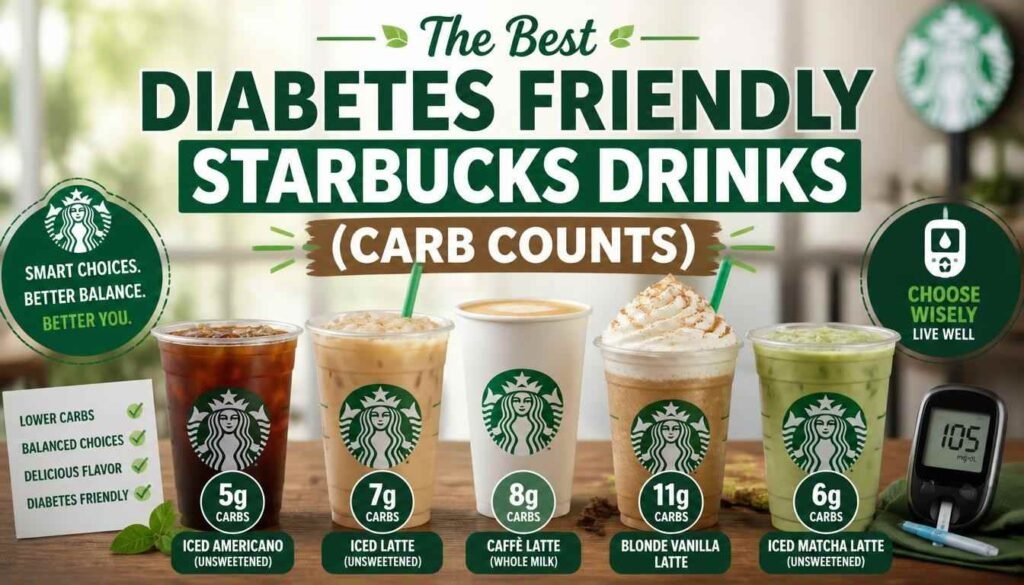
Unsweetened coffee, Americano, cold brew, nitro cold brew and plain tea are the safest picks, at about 0 g of carbs in published figures. Short and Tall espresso drinks with almond milk and sugar-free syrup land near 3–5 g. Add one flavor or one splash of cream at a time.
Table 1. Zero to low-carb orders (Tall unless noted; published estimates from a third-party nutrition site citing Starbucks data)
| Drink | Carbs | Sugar | Calories |
|---|---|---|---|
| Iced Americano | 0 g | 0 g | 10 |
| Cold brew, unsweetened | 0 g | 0 g | 5 |
| Nitro cold brew, plain | 0 g | 0 g | 5 |
| Brewed coffee, no syrup | 0 g | 0 g | 5 |
| Unsweetened iced green tea | 0 g | 0 g | 0 |
| Hot tea, plain | 0 g | 0 g | 0 |
| Espresso doppio | 2 g | 0 g | 10 |
| Cappuccino, almond milk (Short) | 3 g | 1 g | 30 |
| Flat white, almond milk (Short) | 4 g | 2 g | 50 |
| Latte, almond milk, sugar-free vanilla (Tall) | 5 g | 2 g | 60 |
The same source calls espresso 0 g in a summary line and 2 g in its table. Use 2 g to be safe.
Table 2. Lower-carb orders with milk or flavor (dietitian-written guide; Tall unless noted)
| Order | Carbs |
|---|---|
| Grande Americano with sugar-free syrup | 3 g |
| Grande vanilla sweet cream nitro cold brew | 4 g |
| Tall cappuccino, 2% milk | 9 g |
| Grande iced latte, 2 pumps sugar-free syrup | 13 g |
| Grande vanilla sweet cream cold brew, splash of cream, 2 pumps | 14 g |
| Tall soy latte, 1 pump syrup | 15 g |
| Grande Americano, 2 pumps regular syrup | 17 g |
A second dietitian-sourced guide lists a Grande cold brew with a splash of 2% milk at about 3 g of carbs.
Where sources disagree: Vanilla sweet cream cold brew shows about 28 g in one analysis (standard Grande recipe), 14 g in another (only 2 pumps and a splash), and 4 g for the nitro version. The same name gives three numbers, so the recipe matters more than the name.
Recommendation: Build from a 0 g base, then add one thing at a time and read the total.
Teas, Refreshers, Matcha, Chai and Hot Chocolate
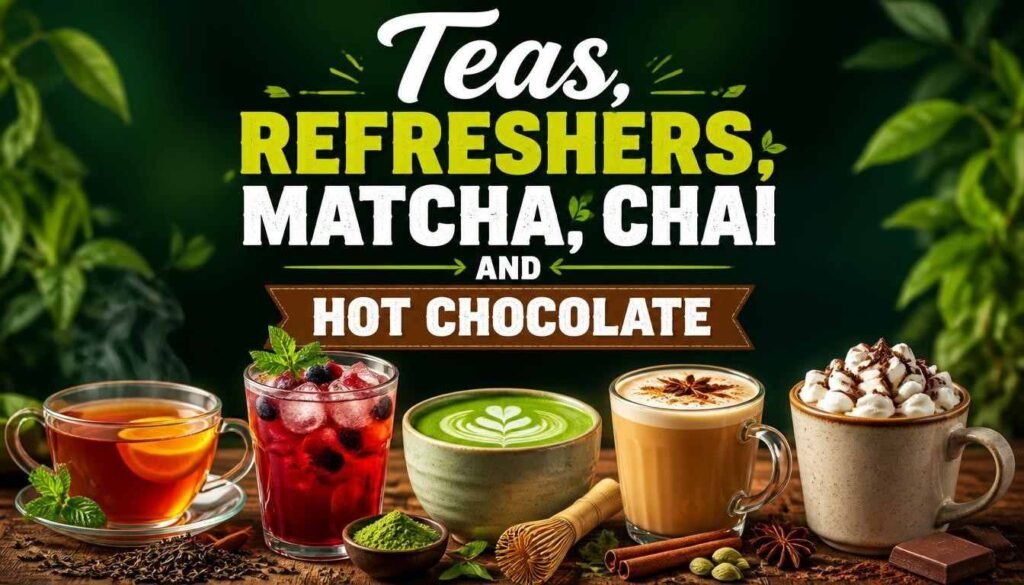
Plain brewed tea is about 0 g of carbs. Sweetened iced tea, matcha, Refreshers, chai lattes and hot chocolate need a closer look. The sources reviewed give no verified carb counts for Refreshers, chai lattes or hot chocolate, so check the Starbucks app before ordering.
Iced tea. One guide notes the default iced green tea is sweetened. Ask for no liquid cane sugar.
Matcha. A dietitian-sourced guide says the matcha powder contains added sugar. A Tall Pineapple Matcha with 2 pumps instead of 3 is reported at about 16 g.
Specialty teas. A Tall Honey Citrus Mint Tea is reported at 20 g. A Tall London Fog with 2 pumps of vanilla is reported at 17 g, and sugar-free vanilla is a listed swap.
Chai. Chai lattes typically use a sweetened concentrate, while a plain chai tea bag does not. Confirm which one you are ordering.
Flavor without sugar. One dietitian suggests cinnamon, nutmeg or unsweetened cocoa powder on a drink.
Recommendation: Treat any tea drink that is not plain brewed tea as sweetened until the app says otherwise.
Milk, Cream and Sweeteners
Published guides call unsweetened almond milk Starbucks’ lowest-carb milk alternative, with soy next and oat highest. A splash of heavy cream or half-and-half adds few carbs. Sugar-free syrup has no sugar and uses sucralose, according to one source. Confirm ingredients in the app, and see the comparison table below.
Definition: Sugar-free means no sugar, with a non-nutritive sweetener doing the sweetening. Unsweetened means no sweetener at all.
What guidance says about sweeteners. ADA guidance has described non-nutritive sweeteners as an option for replacing sugar-sweetened drinks in the short term. The World Health Organization’s 2023 guideline advised against using non-sugar sweeteners to control body weight, with a conditional recommendation and noted uncertainty about long-term effects. This may change as official guidance evolves.
Hidden risk: One guide notes that even non-dairy milks can contain some added sugar. Another calls Starbucks’ almond milk “unsweetened.” Check the ingredient list in the app.
Recommendation: If you use sugar-free syrup, check how you feel and what your meter or CGM shows. Responses to sweeteners vary by person.
Frappuccinos, Seasonal Drinks and What to Skip
Frappuccinos, mochas and seasonal lattes are the highest-carb drinks on the menu. Published Grande estimates run from about 52 g for a Pumpkin Spice Latte to about 67 g for a Caramel Frappuccino. Skip them as daily orders, or change them heavily.
Table 3. Drinks to limit (Grande; published estimates)
| Drink | Carbs | Sugar |
|---|---|---|
| Caramel Frappuccino | ~67 g | ~55 g |
| Java Chip Frappuccino | ~65 g | ~59 g |
| White Chocolate Mocha | ~63 g | ~53 g |
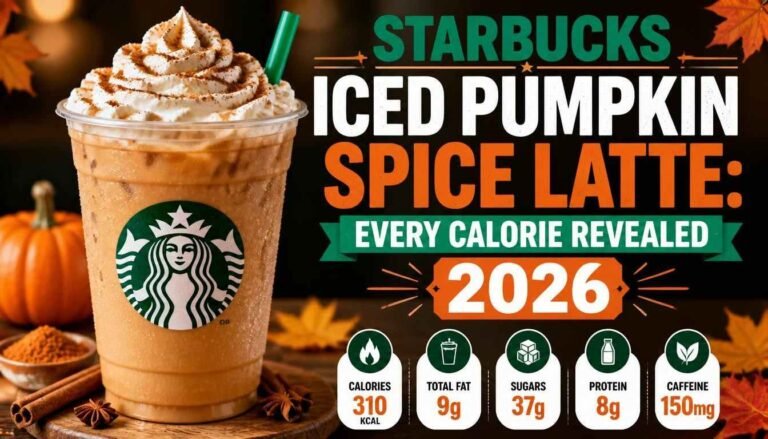
| Pumpkin Spice Latte | ~52 g | ~50 g |
| Iced Brown Sugar Oatmilk Shaken Espresso | ~34 g | ~33 g |
| Salted Caramel Cream Cold Brew | ~34 g | ~32 g |
| Vanilla Sweet Cream Cold Brew | ~28 g | ~27 g |
Making them lighter. For a Frappuccino, a dietitian suggests 1 pump instead of 2 on a Tall, or sugar-free vanilla instead. No source gives the carbs per pump of Frappuccino base, so the result is uncertain. For pumpkin season, the same dietitian suggests a latte, misto or Americano with 2 pumps of pumpkin sauce and cinnamon. Carbs for that order are not published in the sources reviewed.
Frequency matters. The dietitian guide says an occasional 40–50 g drink is unlikely to derail health goals, but regular visits are worth swapping.
Limited-time drinks. New seasonal drinks can launch before nutrition data is easy to find. One nutrition site modeled estimates for a new Frappuccino before Starbucks published numbers. Check the app, not a guess.
Recommendation: Save the 50 g drinks for planned occasions, and use the swaps otherwise.
How to Order: Scripts and App Steps
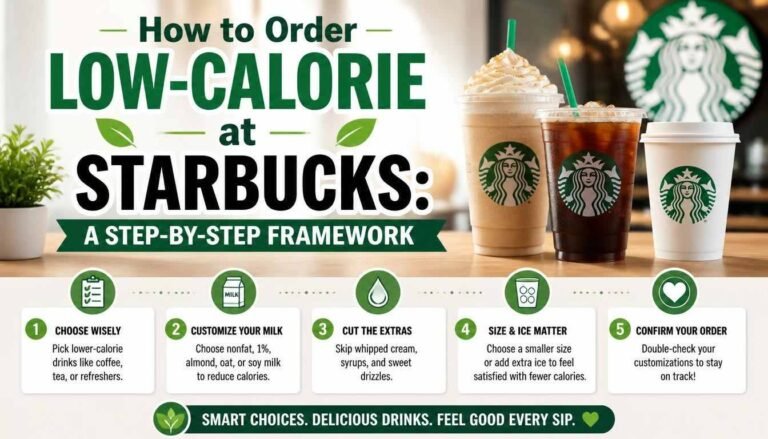
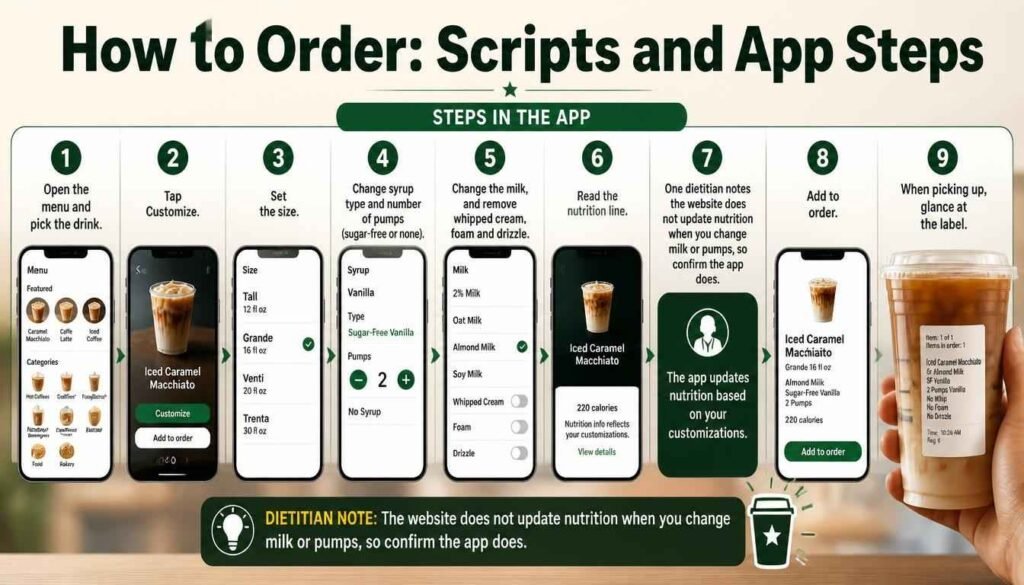
Say the size, the base, the milk, the exact number of sugar-free pumps and what to skip. Naming each item stops defaults from adding sugar. In the app, use Customize to set pumps and milk, then read the nutrition line before paying.
Copy-and-paste scripts
“Grande Americano with a splash of heavy cream.”
“Tall cold brew, nothing added.”
“Grande iced coffee, no classic, two pumps sugar-free vanilla, splash of cream.”
“Tall latte, almond milk, two pumps sugar-free vanilla, no whipped cream.”
“Venti iced green tea, no liquid cane sugar.”
Steps in the app
- Open the menu and pick the drink.
- Tap Customize.
- Set the size.
- Change syrup type and number of pumps (sugar-free or none).
- Change the milk, and remove whipped cream, foam and drizzle.
- Read the nutrition line. One dietitian notes the website does not update nutrition when you change milk or pumps, so confirm the app does.
- Add to order. When picking up, glance at the label.
Labels may change as the app updates.
If sugar-free syrup is unavailable: Order the drink without syrup and use cinnamon or a sweetener packet. A 0 g black coffee with a sugar substitute is a listed order.
Recommendation: Mobile order when you can. Typing the pumps is easier than saying them over noise.
Food Pairings
Pair a low-carb drink with protein or fiber and count the food, since it often has more carbs than the drink. A dietitian-written guide suggests a no-carb beverage with the egg white wrap or oatmeal.
| Item | Carbs | Protein | Fiber |
|---|---|---|---|
| Spinach, Feta & Egg White Wrap | 34 g | 20 g | 3 g |
| Oatmeal, plain | 28 g | 5 g | 4 g |
| Eggs & Cheddar Protein Box | 40 g | 22 g | 5 g |
| Tomato & Mozzarella on Focaccia | 47 g | 15 g | 1 g |
| Butter Popcorn (bag) | 18 g | 2 g | 3 g |
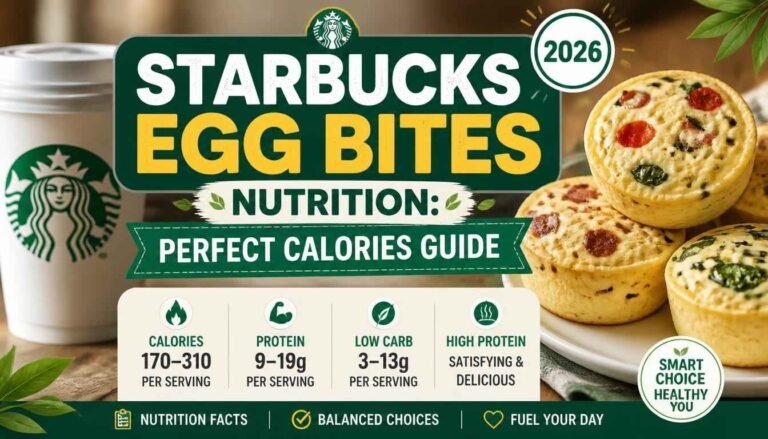
Source: dietitian interview published by diaTribe; menu items and figures may have changed. One nutrition site lists the sous vide egg bites at about 9–12 g of carbs per serving.
Example (arithmetic from the figures above): The wrap at 34 g plus a Tall almond-milk latte with sugar-free vanilla at about 5 g is about 39 g in total.
Recommendation: Add the food carbs first, then choose a drink that fits what is left.
Caffeine and Blood Sugar
Caffeine affects people differently. Some studies show it can temporarily reduce insulin sensitivity in people with type 2 diabetes, while large observational studies link regular coffee drinking with lower type 2 diabetes risk. The ADA does not tell people with diabetes to avoid caffeine, but suggests watching your own response.
Dose: The FDA says up to about 400 mg a day is generally not associated with negative effects for most healthy adults. A Grande latte is about 150 mg, per a dietitian guide.
Observation versus cause: The lower-risk finding is observational and does not prove coffee prevents diabetes.
Your own response: A week of checks before a drink and about an hour after, by meter or CGM, shows more than a general guide. Ask your care team which timing suits you.
Other factors: Sleep, stress and the meal you drink it with can also change glucose.
Recommendation: Test your usual order for a week, and change one variable at a time.
Type 2, Type 1, Prediabetes and Gestational Diabetes
The same low-carb picks suit most types, but the stakes differ. Type 2 and prediabetes focus on total carbs and frequency. Type 1 and insulin users need carb counts they can dose against. Gestational diabetes adds a caffeine limit.
Type 2 and prediabetes: Use the 0–15 g list, keep sweet drinks occasional and pair with protein.
Type 1 and insulin: Milk and syrup add carbs to count, while plain coffee and tea add very little. Dosing decisions belong with your care team.
Gestational diabetes: A dietitian guide cites the American Pregnancy Association for about 150–300 mg of caffeine a day, and notes a common 200 mg suggestion. Pick low-sugar drinks and pair with a balanced meal.
Children: Ask the pediatric diabetes team before choosing a drink or a carb limit.
Recommendation: Share your usual order with your dietitian and ask them to adjust it.
Ordering at Starbucks in Germany
US carb figures in this guide do not transfer automatically to Germany. Menus, syrups, milks and sizes vary by country, so use the nutrition information published by Starbucks Germany for the drink you order.
Check the local menu and app. Syrups, sizes and seasonal drinks differ from the US list above.
Keep the same method. Zero-carb bases, a named milk, named pumps and no toppings work the same way anywhere.
Units. Many German diabetes teams count carbohydrate units (KE or BE) rather than grams. Convert using the unit your team uses.
Recommendation: Treat the US tables as a method, then confirm every number locally.
Comparison Tables
Table 4. Swap ladders (sizes and milks differ across sources, so read each row as direction, not exact savings)
| Start | Step down | Lowest |
|---|---|---|
| Tall latte, 2% milk, 15 g | Tall soy latte, 10 g | Tall almond latte with sugar-free vanilla, about 5 g |
| Grande Americano, 2 pumps regular syrup, 17 g | Grande Americano, sugar-free syrup, 3 g | Americano, no syrup, 0 g (Tall) |
| Grande vanilla sweet cream cold brew, about 28 g | Same with splash and 2 pumps, 14 g | Vanilla sweet cream nitro, 4 g |
| Grande Pumpkin Spice Latte, about 52 g | Latte or Americano with 2 pumps pumpkin sauce and cinnamon (carbs not published) | Black coffee with cinnamon |
Table 5. Milk, cream and sweetener options
| Option | What published sources say | Watch for |
|---|---|---|
| Almond milk | Lowest-carb milk alternative; saves 5–10 g versus 2% or whole | Confirm no added sugar in the app |
| Soy milk | A Tall latte drops from 15 g to 10 g versus 2% | Taste; check ingredients |
| Oat milk | Reported to add 15+ g versus almond | Sources disagree on whether it is “healthier” than whole milk |
| Heavy cream | About 0 g carbs in a splash | Higher saturated fat |
| Half-and-half | Minimal carbs in a splash | Check portion |
| Sugar-free syrup | 0 g carbs per pump; sweetened with sucralose | Personal response; availability |
Table 6. Pros and cons
| Choice | Pros | Cons |
|---|---|---|
| Cold brew, plain | 0 g carbs; smooth taste | Confirm no default sweetener |
| Sugar-free syrup | Flavor with 0 g carbs | Sweetener concerns; may be out of stock |
| Almond milk | Fewest milk carbs | Thin texture; check ingredients |
| Smaller size | Cuts about a quarter of the carbs | Less volume |
Examples & Use Cases
Morning commute: Tall cold brew with a splash of cream. Carbs stay near 0–3 g, so a breakfast wrap’s 34 g is the main count.
Afternoon slump: Grande iced latte with 2 pumps sugar-free syrup, about 13 g per the dietitian guide, with a handful of nuts.
Craving something sweet: Tall London Fog with sugar-free vanilla instead of regular, which cuts the 17 g version.
Pumpkin season: Americano with 2 pumps pumpkin sauce and cinnamon, then read the app’s carb line.
Common Mistakes
- Trusting a drink name instead of the recipe (the vanilla sweet cream cold brew gives three different numbers).
- Ordering “unsweetened” iced coffee or tea without saying “no classic.”
- Forgetting the milk carbs in a “sugar-free” latte.
- Assuming oat milk is the healthy default.
- Skipping the food carbs when counting.
- Relying on the website’s nutrition for a customized drink.
- Copying US numbers abroad.
Pro Tips
- Start with a 0 g base, and add one change at a time.
- Save your usual order in the app.
- Say pump numbers aloud, or mobile order.
- Keep a single 15 g or 20 g number from your care team on your phone.
- Re-check numbers when the seasonal menu changes.
- Test a new drink by checking glucose before and about an hour after.
Decision Framework / Checklist
If you want…
| If you want… | Order |
|---|---|
| Zero carbs | Americano, cold brew, nitro, brewed coffee, plain tea |
| Creamy, low carb | Americano or cold brew with a splash of cream |
| A latte | Short or Tall, almond milk, sugar-free syrup |
| Something sweet, rarely | Tall, 1–2 pumps, no whip |
| A seasonal drink | Americano or latte base with 2 pumps and spice |
Before you pay
- ☐ Size chosen, Tall or smaller when in doubt
- ☐ Base is coffee or plain tea
- ☐ Milk named
- ☐ Pumps named, sugar-free or none
- ☐ “No classic” said for iced coffee and tea
- ☐ Whip, foam and drizzle removed
- ☐ Nutrition line read in the app
- ☐ Food carbs added
What is the best diabetic friendly drink at Starbucks?
Plain cold brew, nitro cold brew, Americano or brewed coffee, all about 0 g of carbs in published figures. Add a splash of cream if you want richness without sugar.
Can diabetics drink Starbucks lattes?
Usually yes, with changes. A plain Tall latte with 2% milk is about 15 g of carbs. Almond milk with sugar-free syrup brings a Tall near 5 g, according to one published estimate.
Is Starbucks sugar-free vanilla syrup safe for diabetics?
It has no sugar and 0 g carbs per pump, and one source says it uses sucralose. Responses vary, so check your glucose after trying it, and ask your care team if you have concerns.
Does Starbucks have a diabetic menu?
No. Starbucks does not publish one, so you build your order from low-carb bases and customizations, then confirm numbers in the app.
Which milk is best for diabetes at Starbucks?
Almond milk has the fewest carbs in published guides, soy is next, and oat is highest. Check the ingredient list, because some milks contain added sugar.
Is cold brew good for diabetics?
Plain cold brew is about 0 g of carbs. Sweet cream and flavored versions add sugar, so say “nothing added” and check for default sweeteners.
Can I have a Frappuccino with diabetes?
It is usually too high in carbs for regular use. Grande estimates run around 65 g for popular flavors. Try fewer pumps or a sugar-free swap, and keep it occasional.
Are Starbucks Refreshers diabetic friendly?
The sources reviewed give no verified carb counts for Refreshers, so treat them as sweetened until the app shows otherwise.
Does coffee raise blood sugar?
Sometimes, depending on the person. Some studies show caffeine can reduce insulin sensitivity temporarily, while observational studies link regular coffee drinking with lower diabetes risk. Check your own response.
What should I order if sugar-free syrup is out?
Order an Americano or cold brew with a splash of cream, and add cinnamon or a sweetener packet. Skip regular syrup, because each pump adds about 5 g of sugar.
Final Thoughts
You don’t have to give up Starbucks — you just need a smarter way to order it. The formula is simple: start from a zero-carb base like coffee, Americano, or tea, then build your drink deliberately. Name your milk, count your pumps, choose sugar-free when you want flavor, and skip the whipped cream and drizzles that add carbs without you noticing.
Keep this guide’s order scripts saved on your phone, and don’t forget the most important step: read the nutrition line in the Starbucks app before you pay, because recipes and seasonal menus change. Pair that with your own glucose readings — check before and about an hour after trying a new drink — and you’ll quickly learn exactly which orders work for your body.
And one last thing: bring your usual order to your next dietitian visit. A two-minute conversation can turn a good guess into a confident routine. Enjoy your coffee — without the guesswork.
For the latest numbers, check the official Starbucks menu.