Starbucks Matcha Latte Calories
I used to order a Starbucks Matcha Latte almost every morning on the way to work. Grande, whole milk, no customization. I thought I was making a “healthier” choice than coffee — it’s green tea, right? It’s basically a salad.
Then I logged it in MyFitnessPal one day out of curiosity. I stared at the screen for a good ten seconds. That drink I’d been calling “healthy” had more sugar than a Snickers bar.
That little moment of shock sent me deep into Starbucks nutrition facts. I researched every size, every milk option, and every modification that actually makes a difference. This guide is everything I found — laid out in plain English so you never have to squint at a Starbucks app wondering what you just ordered.
Table of Contents
Starbucks Matcha Latte Calories at a Glance
A Starbucks Matcha Green Tea Latte made with 2% milk contains:
- Tall (12 oz): ~200 calories
- Grande (16 oz): ~240 calories
- Venti (24 oz): ~320 calories
Calories vary based on milk choice. Whole milk adds more fat; nonfat milk saves roughly 30–50 calories. Oat milk and coconut milk fall somewhere in between. The base sweetener (classic syrup) adds about 60 calories per grande serving.
Why People Get Confused About Matcha Latte Calories
Here’s something Starbucks doesn’t advertise clearly: their matcha powder is not pure matcha.
The Teavana matcha blend Starbucks uses is pre-mixed with sugar. So even before a single pump of syrup is added to your drink, you’re already getting added sugar just from the matcha powder itself. This is the detail most calorie trackers miss — and it’s why a “plain” matcha latte at Starbucks has more sugar than most people expect.
A homemade matcha latte using pure ceremonial-grade matcha powder, oat milk, and no syrup comes in around 80–100 calories. The Starbucks version? Up to 240 calories for the same size, with 42 grams of sugar in a grande.
That gap exists almost entirely because of the sweetened matcha blend and the classic syrup added on top.
Full Calorie Breakdown: Starbucks Matcha Latte by Size and Milk
Hot Matcha Latte (2% Milk — Standard)
| Size | Oz | Calories | Carbs | Sugar | Fat | Protein |
| Tall | 12 | 200 | 37g | 35g | 4.5g | 8g |
| Grande | 16 | 240 | 44g | 42g | 5g | 9g |
| Venti | 24 | 320 | 59g | 56g | 7g | 12g |
Iced Matcha Latte (2% Milk — Standard)
Ice displaces some liquid, so the iced version is slightly lower in calories than the hot equivalent for the same size cup.
| Size | Oz | Calories | Sugar | Fat |
| Tall | 12 | 150 | 27g | 3.5g |
| Grande | 16 | 200 | 35g | 4.5g |
| Venti | 24 | 280 | 50g | 6g |
Matcha Latte Calories by Milk Type (Grande Size)
This is the table most people are actually looking for. Here’s how different milk options change the calorie count for a Grande matcha latte:
| Milk Type | Calories | Fat | Carbs | Protein | Notes |
| Whole Milk | 270 | 8g | 43g | 9g | Richest, creamiest |
| 2% Milk (default) | 240 | 5g | 44g | 9g | Standard order |
| Nonfat Milk | 200 | 0.5g | 45g | 10g | Lowest fat, highest protein |
| Oat Milk | 250 | 5g | 48g | 6g | Higher carbs, vegan-friendly |
| Almond Milk | 170 | 3g | 38g | 5g | Lowest calorie non-dairy |
| Coconut Milk | 210 | 8g | 36g | 5g | Higher sat fat, lower carbs |
| Soy Milk | 230 | 5g | 42g | 11g | Highest protein among plant milks |
Biggest calorie save: Swapping whole milk for almond milk saves about 100 calories per grande. That adds up to 700 calories per week if you order daily.
What’s Actually Inside a Starbucks Matcha Latte?
Before you can make smart choices, it helps to understand what goes into the drink:
1. Teavana Matcha Blend This is the green powder Starbucks uses. It contains matcha tea powder and sugar, pre-mixed. You can’t order “unsweetened matcha powder” separately at most locations. The matcha contributes roughly 20 calories per serving, but the built-in sugar adds another 30–40 calories before anything else is added.
2. Milk The rest of the drink is steamed or cold milk. Milk choice is the single biggest lever you have for changing calories.
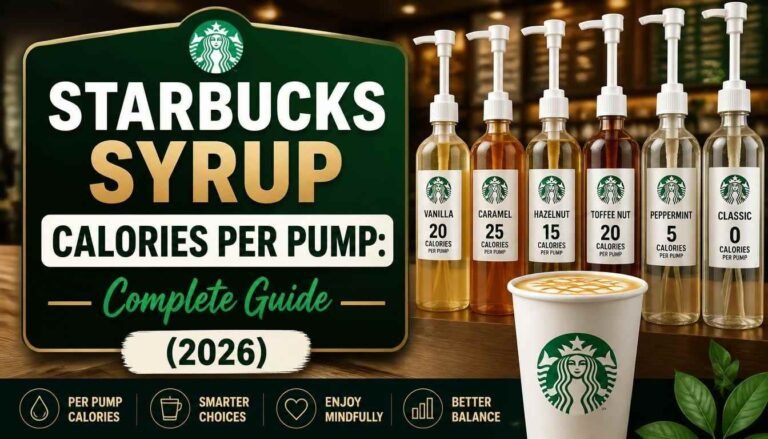
3. Classic Syrup (Hot Drinks) Hot matcha lattes at Starbucks are typically made with one pump of classic syrup for a tall, two pumps for a grande, and three for a venti. Each pump adds roughly 20 calories and 5 grams of sugar.
4. Caffeine A grande hot matcha latte contains about 80mg of caffeine — less than a standard drip coffee (around 165mg) but more than regular brewed green tea (25–45mg). The L-theanine naturally present in matcha pairs with caffeine to produce a smoother, more sustained energy boost without the sharp crash some people experience from coffee.
Starbucks Matcha Latte Calories vs. Other Popular Drinks
People often switch to matcha lattes, thinking they’re making a lower-calorie choice. Here’s how it actually compares:
| Drink | Size | Calories | Sugar | Caffeine |
| Matcha Green Tea Latte | Grande | 240 | 42g | 80mg |
| Caffè Latte | Grande | 190 | 18g | 150mg |
| Chai Tea Latte | Grande | 240 | 42g | 95mg |
| Iced Matcha Lemonade | Grande | 130 | 27g | 80mg |
| Green Tea Frappuccino | Grande | 420 | 62g | 70mg |
| Cold Brew (black) | Grande | 5 | 0g | 205mg |
The Iced Matcha Lemonade stands out here. It’s the same matcha base but blended with lemonade instead of milk — fewer calories, no dairy, and a refreshing option that most people overlook. If you want the matcha without the calorie hit, this is worth trying.
How to Order a Lower-Calorie Matcha Latte at Starbucks
I spent a few weeks experimenting with modifications to find what actually works. Here are the changes that make a real difference:
Step 1: Choose Your Milk Wisely
Almond milk is the lowest-calorie option. Nonfat milk is the lowest-calorie dairy option and keeps the protein up. Oat milk tastes the creamiest but adds more carbs.
Step 2: Ask for Fewer Pumps of Syrup
The default for a grande is two pumps of classic syrup. Asking for one pump saves about 20 calories and 5 grams of sugar. Asking for zero pumps saves 40 calories. You’ll still taste sweetness from the pre-sweetened matcha blend — it won’t taste like plain tea.
Step 3: Order the Tall Instead of the Grande
Going from a grande to a tall saves roughly 40–50 calories with the same milk and syrup ratio. If you’re drinking this daily, that’s a meaningful weekly reduction.
Step 4: Try It Iced
The iced version is slightly lower in calories because ice takes up space in the cup. The flavor is the same — some people actually prefer it iced.
Step 5: Skip the Top-Off
If you order an iced drink, don’t ask for “light ice” hoping to get more liquid. You’ll just get more matcha latte, which means more calories. Standard ice is the better move if you’re watching intake.
The Mistake I Made (And You Might Too)
When I first started modifying my order, I switched to almond milk — great move — but I also started ordering a Venti because I figured since it was “healthier now,” I could go bigger.
That completely wiped out my savings. A venti with almond milk is still 230+ calories, nearly identical to a grande with 2% milk.
The lesson: changing the milk helps, but size matters just as much. Modify both, not just one.
Is the Starbucks Matcha Latte Actually Healthy?
The honest answer: it depends on how you look at it.
What it has going for it:
- Real matcha powder with EGCG antioxidants (shown in studies to support metabolism and cognitive focus)
- L-theanine for calm, sustained energy
- Meaningful calcium content — a Grande provides about 30% of your daily value
- Moderate caffeine, gentler on the body than coffee for many people
What to watch:
- 42 grams of sugar in a standard grande exceeds the WHO’s daily recommended limit for added sugar (25g for women, 36g for men)
- The matcha blend contains added sugar, so even modifications don’t fully eliminate it
- It’s not a low-calorie drink by default — it takes intentional ordering to get it there
If you’re managing blood sugar, diabetes, or on a calorie deficit, the standard version isn’t ideal. But with modifications — nonfat milk, one pump of syrup, tall size — you can bring it down to around 150 calories and 21 grams of sugar, which is much more manageable.
Low-Calorie Starbucks Matcha Drinks Worth Knowing
Beyond the standard latte, here are other matcha options on the Starbucks menu:
Iced Matcha Tea (Unsweetened) Ask for an iced matcha tea with no syrup and a splash of your preferred milk. This comes in around 30–60 calories, depending on the milk. It tastes more like actual green tea — less sweet, more grassy, but a totally different experience.
Matcha Tea Lemonade: The lemonade base adds sweetness without dairy. Grande runs about 130 calories. Good option for a lighter, citrusy matcha drink.
Matcha Shaken Espresso (Secret Menu Style) Not officially on the menu everywhere, but you can ask for a shaken iced matcha with a shot of espresso. Adds caffeine without a significant calorie increase. The espresso shot itself is only about 5 calories.
Pro Tips From Someone Who Orders This Weekly
- Use the Starbucks app to customize before you get to the counter. You can see the exact calorie count update in real time as you change milk, syrup pumps, and size. It’s the clearest calorie tool available for Starbucks drinks.
- “Half-sweet” is not half the syrup. Asking for “half sweet” typically means one pump in a grande instead of two. Asking for “one pump” is more precise.
- Nonfat milk makes the matcha taste a bit thinner. If you want the creaminess of whole milk but fewer calories, oat milk is a good middle ground flavor-wise, even if it’s not the lowest-calorie option.
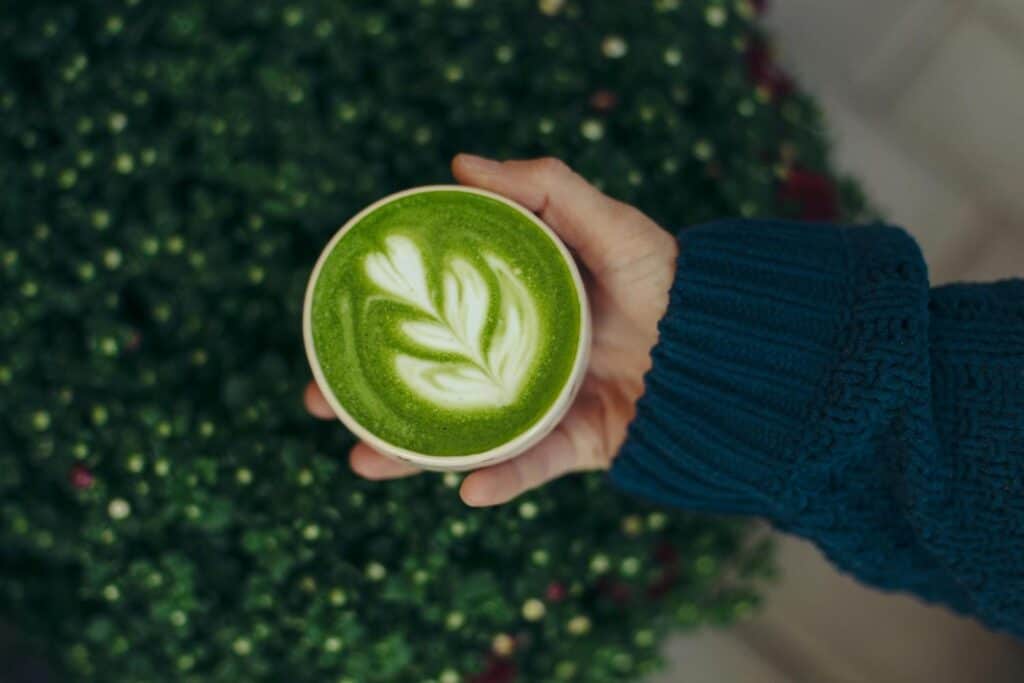
- The color is a useful quality check. A well-made matcha latte should be a deep, vivid green. If it looks pale or washed out, the barista may have used less matcha powder — which means less flavor and fewer antioxidants.
- Ceremonial-grade vs. culinary-grade matcha doesn’t apply directly to Starbucks (they use one blend), but if you’re building a home version to save money and calories, ceremonial-grade tastes better for lattes, while culinary-grade is better for baking.
FAQs
How many calories are in a Starbucks Grande Matcha Latte?
A grande (16 oz) Starbucks Matcha Green Tea Latte made with 2% milk has approximately 240 calories. Whole milk adds about 30 more calories; nonfat milk reduces it by around 40 calories.
Does the iced matcha latte have fewer calories than hot?
Yes, slightly. Ice displaces some liquid in the cup, so an iced grande matcha latte has roughly 200 calories vs. 240 for the hot version with the same milk.
What is the lowest-calorie Starbucks matcha drink?
An iced matcha tea with no syrup and a splash of almond milk runs about 30–50 calories. The Iced Matcha Tea Lemonade (no syrup modification) comes in around 80–100 calories.
Does Starbucks matcha latte have a lot of sugar?
Yes. A standard grande has 42 grams of sugar, which exceeds most daily added sugar recommendations. Much of this comes from the pre-sweetened Teavana matcha blend, not just the added syrup.
How much caffeine is in a Starbucks matcha latte?
A grande contains approximately 80mg of caffeine. A tall has around 55mg and a venti has around 110mg. This is about half the caffeine of a standard drip coffee.
Is Starbucks matcha latte vegan?
Not by default, as it uses dairy milk. You can make it vegan by requesting oat milk, almond milk, coconut milk, or soy milk — all are available at Starbucks locations in the US.
Can I order a Starbucks matcha latte with no sugar?
You can ask for no classic syrup, which removes the added liquid sweetener (about 40 calories and 10g sugar for a grande). However, the matcha powder itself is pre-sweetened with sugar, so there will still be some sugar in the drink regardless.
Conclusion
The matcha latte from Starbucks is not inherently a bad drink. The matcha itself brings real benefits — antioxidants, L-theanine, and a gentler caffeine curve than coffee. The problem is the default build: pre-sweetened powder plus classic syrup plus whole or 2% milk adds up fast.
Once I understood what was actually in it, ordering felt completely different. I dropped to a tall with nonfat milk and one pump of syrup. Around 150 calories, still tastes like the drink I love. That small shift, done every weekday, saved me over 450 calories a week without feeling like I was giving anything up.